
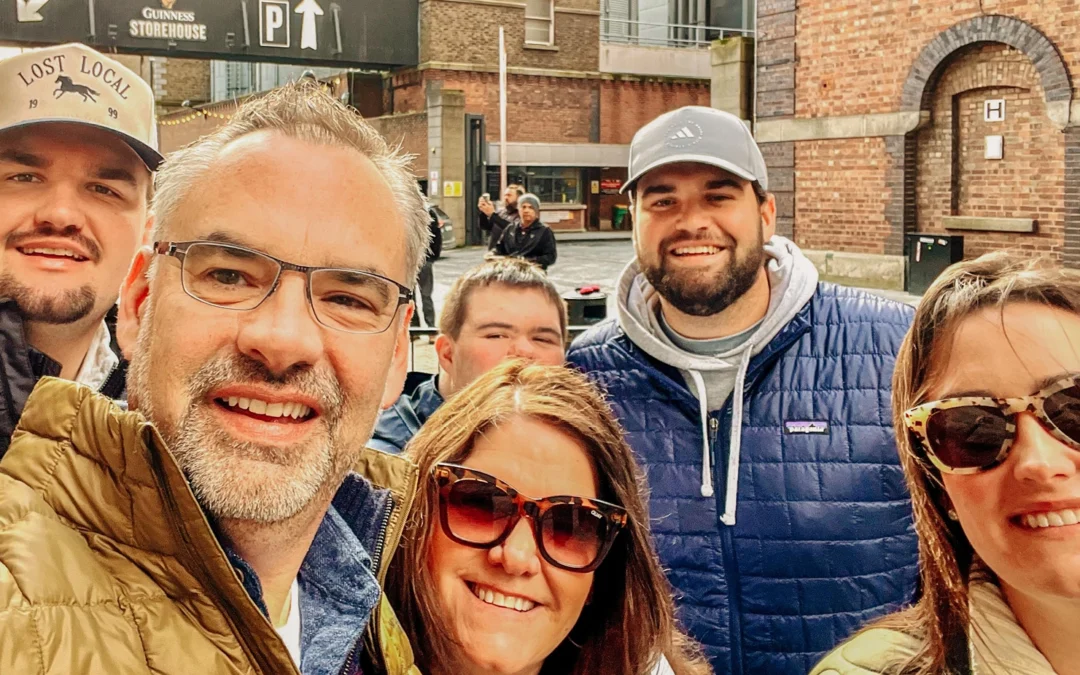
There’s something about standing inside a distillery that immediately shifts your sense of time. Not in an obvious way. It’s not quiet. There’s movement, machinery, people working. But underneath all of that, there’s a different rhythm at play. One that isn’t measured in quarters or campaign cycles, but in years. Sometimes decades.
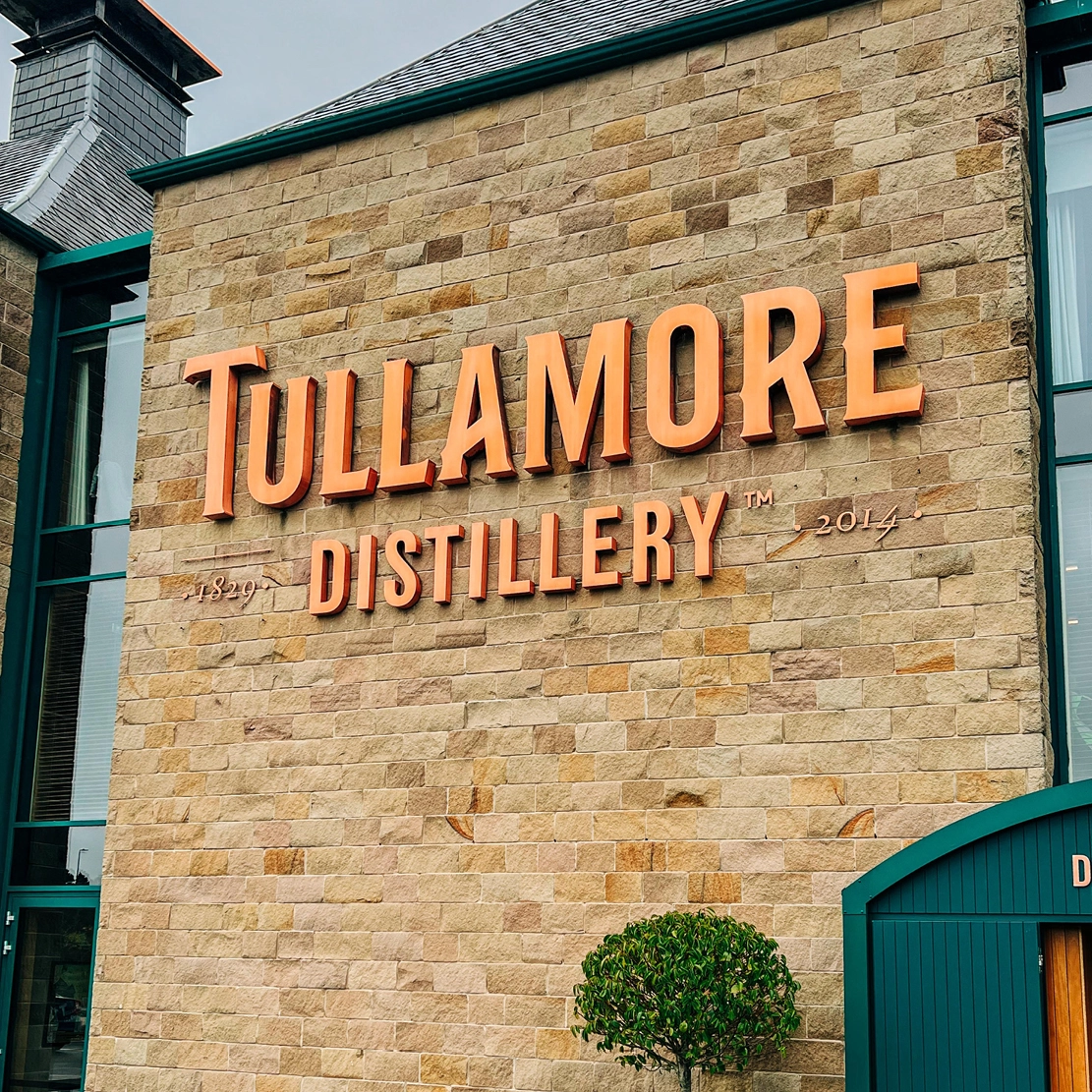
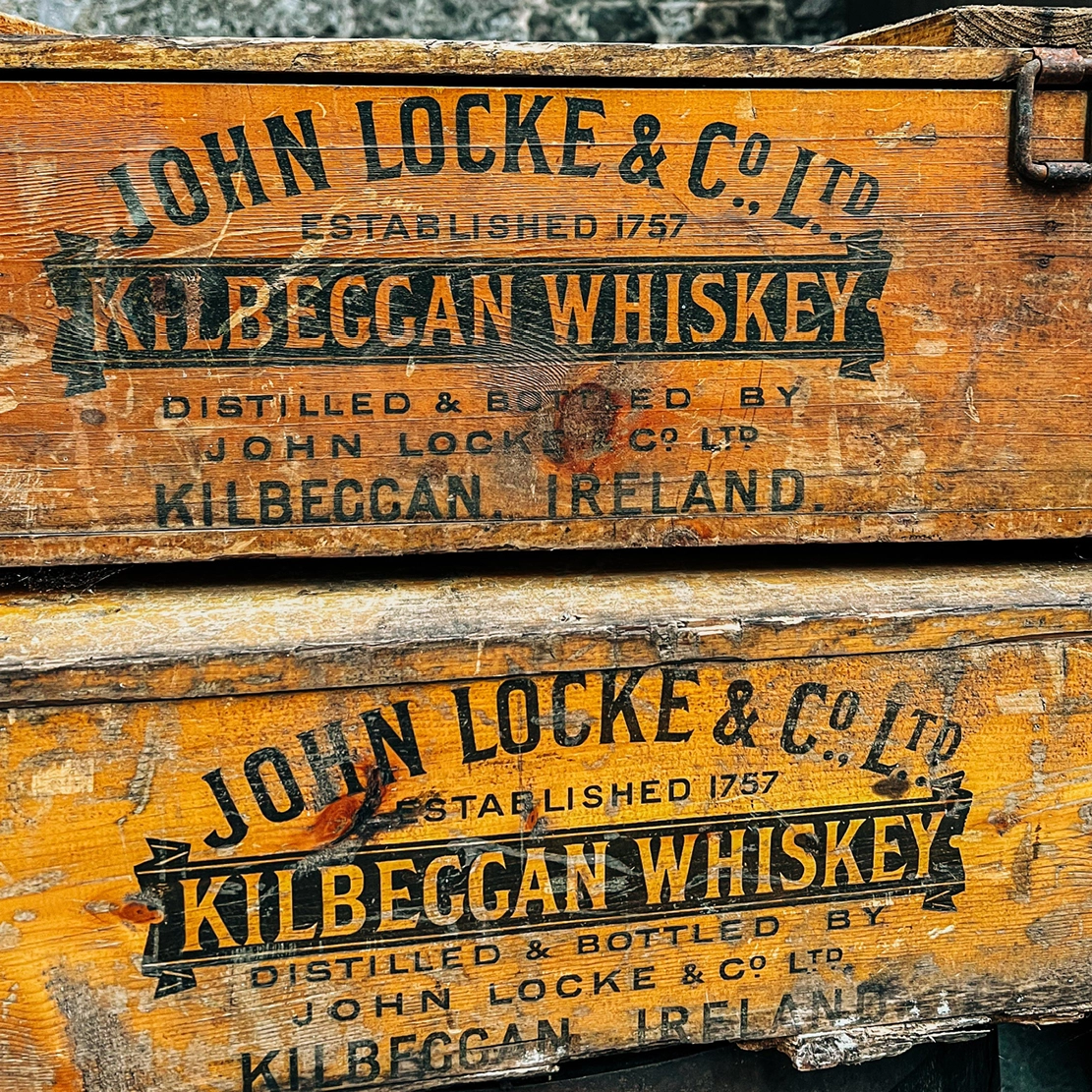
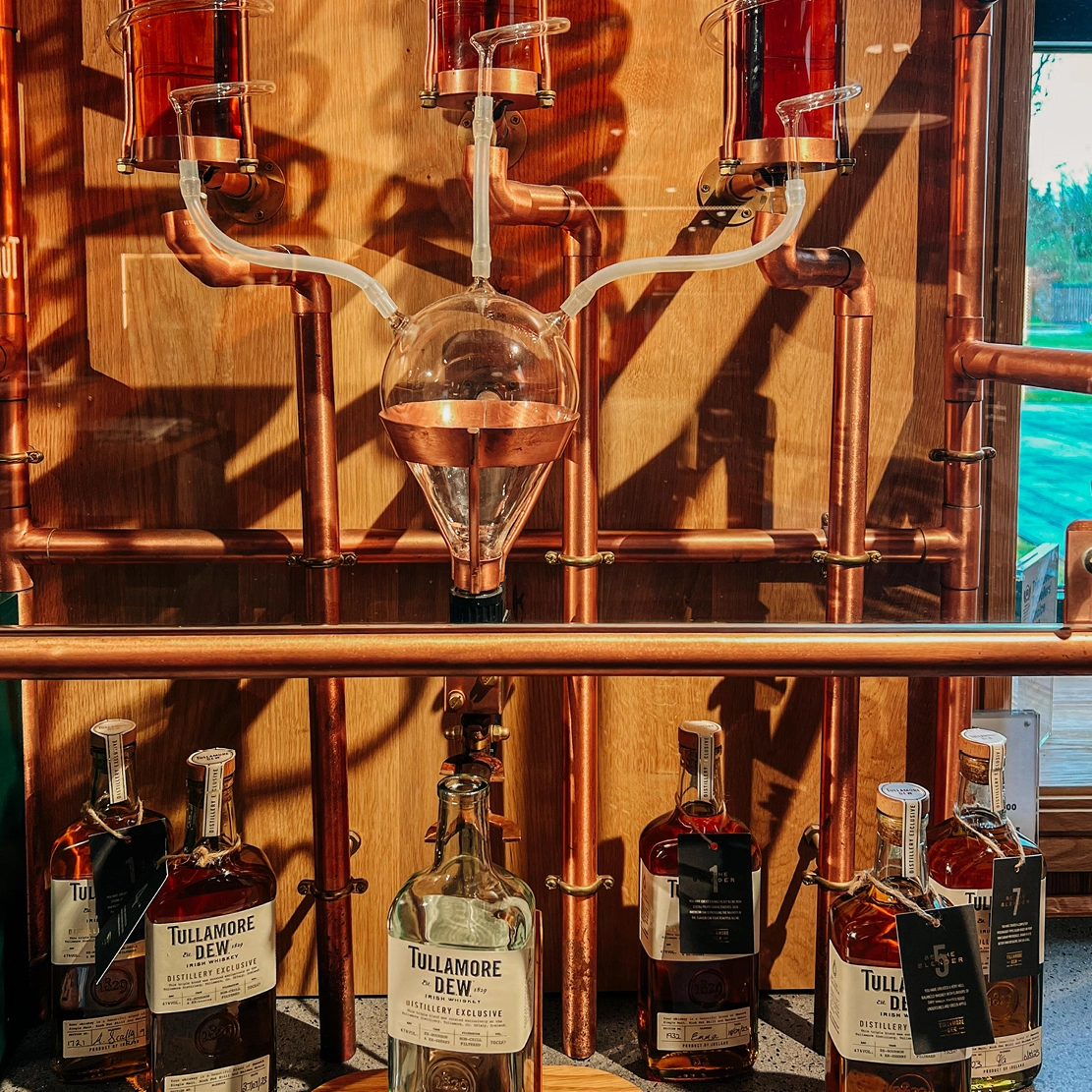
On a not-so-recent trip to Ireland, we made a point to visit as many as we could. Tullamore, Midleton, Kilbeggan, and Guinness (which operates at a completely different scale but carries the same weight in its own way). Each one distinct. Each one rooted in its own story. But all connected by something deeper than product.
Continuity.
What stands out isn’t just the history, but the way it’s being carried forward. It’s not preserved behind glass or treated as something static. It’s active. Working. Still shaping what the brand is today. At Midleton, you see it in the way legacy methods are honored while modern production evolves around them. At Kilbeggan, you feel it in the physical space itself—the oldest licensed distillery in Ireland, still producing not as a novelty, but as a continuation. At Guinness, it’s embedded in both scale and storytelling, the ability to tell the same story consistently across generations without losing its meaning.
None of it feels nostalgic. It feels current.
That’s not easy to do. Most brands with history tend to fall into one of two traps. They either lean too heavily on the past, becoming overly reliant on where they’ve been, or they overcorrect and abandon it entirely in pursuit of relevance. The result is usually the same. They either feel dated or disconnected. What these brands understand is something more nuanced. History isn’t the story. It’s the foundation that allows the story to keep evolving.
We’ve seen this firsthand in our own work across the category. Whether it’s retail, consumer goods, or spirits, the challenge is rarely about creating something entirely new. It’s about identifying what is already meaningful and ensuring it carries forward in a way that resonates now. The work with Headframe Spirits is a good example of this. A brand rooted in a very specific place, a very specific history, and a very real sense of identity. The strategy wasn’t about amplifying noise or chasing trends. It was about understanding the origin deeply enough to let it inform everything that followed.
When you get that right, the brand doesn’t feel constructed. It feels inevitable.
What has changed, and continues to change, is the environment these brands operate in. The pace is different. The expectations are different. The way people discover, evaluate, and engage with products has shifted dramatically. Increasingly, those shifts are being shaped by technology that didn’t exist even a few years ago. That’s where the conversation around AI becomes relevant in a way that goes beyond novelty.
There’s a tendency to frame AI as something that disrupts craft, history, and the human elements that define categories like this. But that assumes its role is to replace those things. At its best, it does the opposite. It strengthens the connection between a brand’s origin and its future. It allows us to understand how a story resonates in real time, across audiences and channels, and to adapt that story without losing what made it meaningful in the first place.
In our work, particularly in the These Guys Brewing case study, we’ve started to see how this plays out in practice. AI doesn’t rewrite the narrative. It reveals where it matters most. It surfaces patterns in behavior, highlights what connects, and gives us a clearer view of how to bring a brand forward without losing its foundation. It’s not about automation. It’s about clarity.
We talked about this on our podcast—the idea that artistry and technology aren’t opposing forces, but complementary ones. That the role of creativity isn’t diminished by new tools but expanded by them. Because as the volume of content increases, the question isn’t what can be created. It’s what is worth creating.
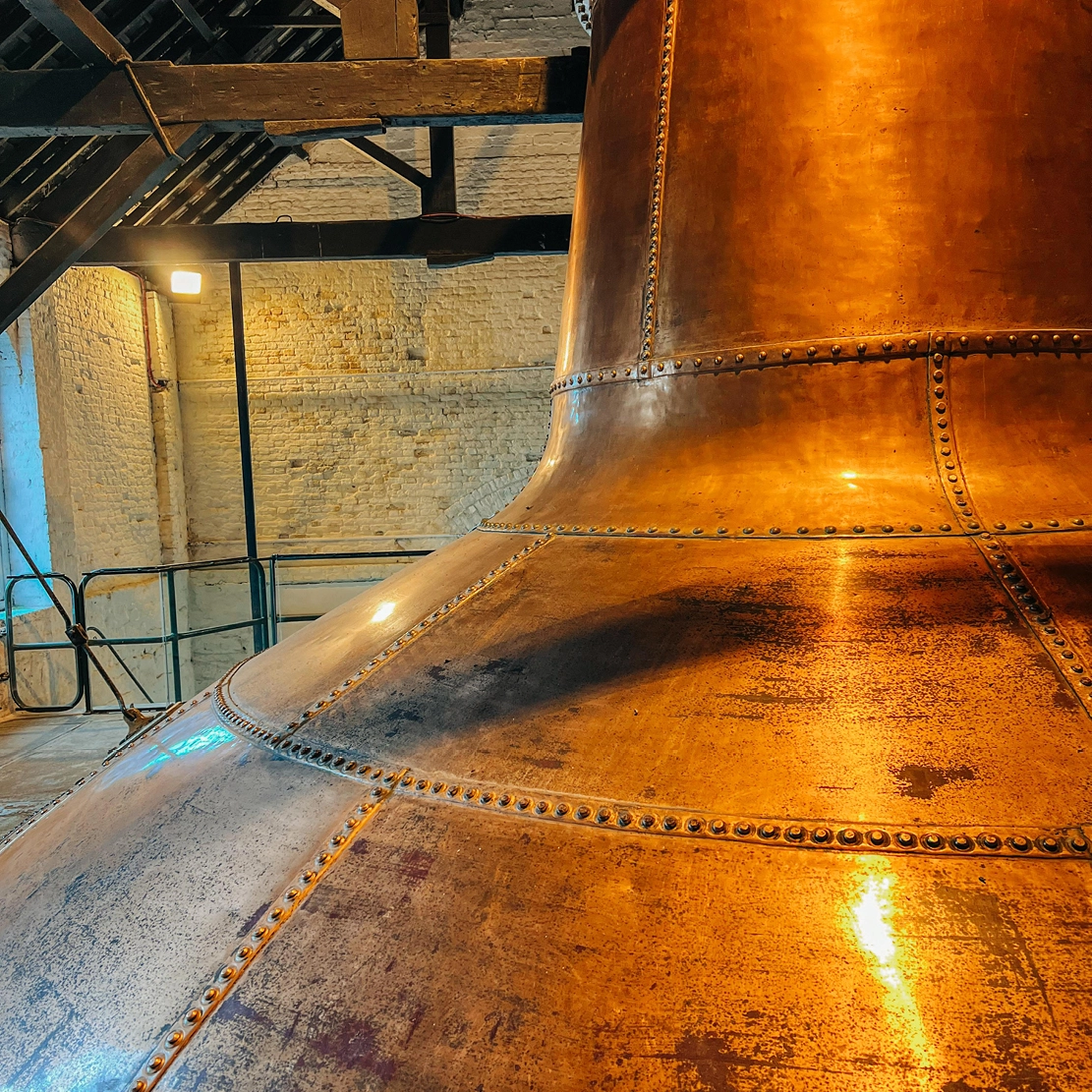
Standing in those distilleries, that question feels less theoretical. Every barrel represents time, patience, and a belief that what’s being made will matter when it’s ready. Not immediately. Not instantly. But eventually. There’s a confidence in that. A clarity of purpose.
The brands that endure tend to share that same characteristic. They understand where they come from. They respect it. And they find ways to carry it forward without becoming constrained by it. Technology doesn’t change that. It simply changes how well we can do it.
The opportunity now isn’t to choose between history and innovation. It’s to connect them more intelligently. To use everything available—data, AI, and creative thinking—to ensure that what made a brand meaningful in the first place continues to be meaningful in a very different world.
Because the goal was never to preserve the past.
It was to make sure it still matters.